
Dive Maldives
The central atolls. A different rhythm.
Some places stay with you long after you surface. The Maldives is one of them.
Manta rays over cleaning stations. Sharks beyond the reef edge. Coral gardens alive with colour. The central atolls bring these experiences together in one beautifully varied journey — with Evolution Eclipse as your home between dives.
Wednesday departures · Quieter reefs · More space to explore
One ocean.
So many perspectives.
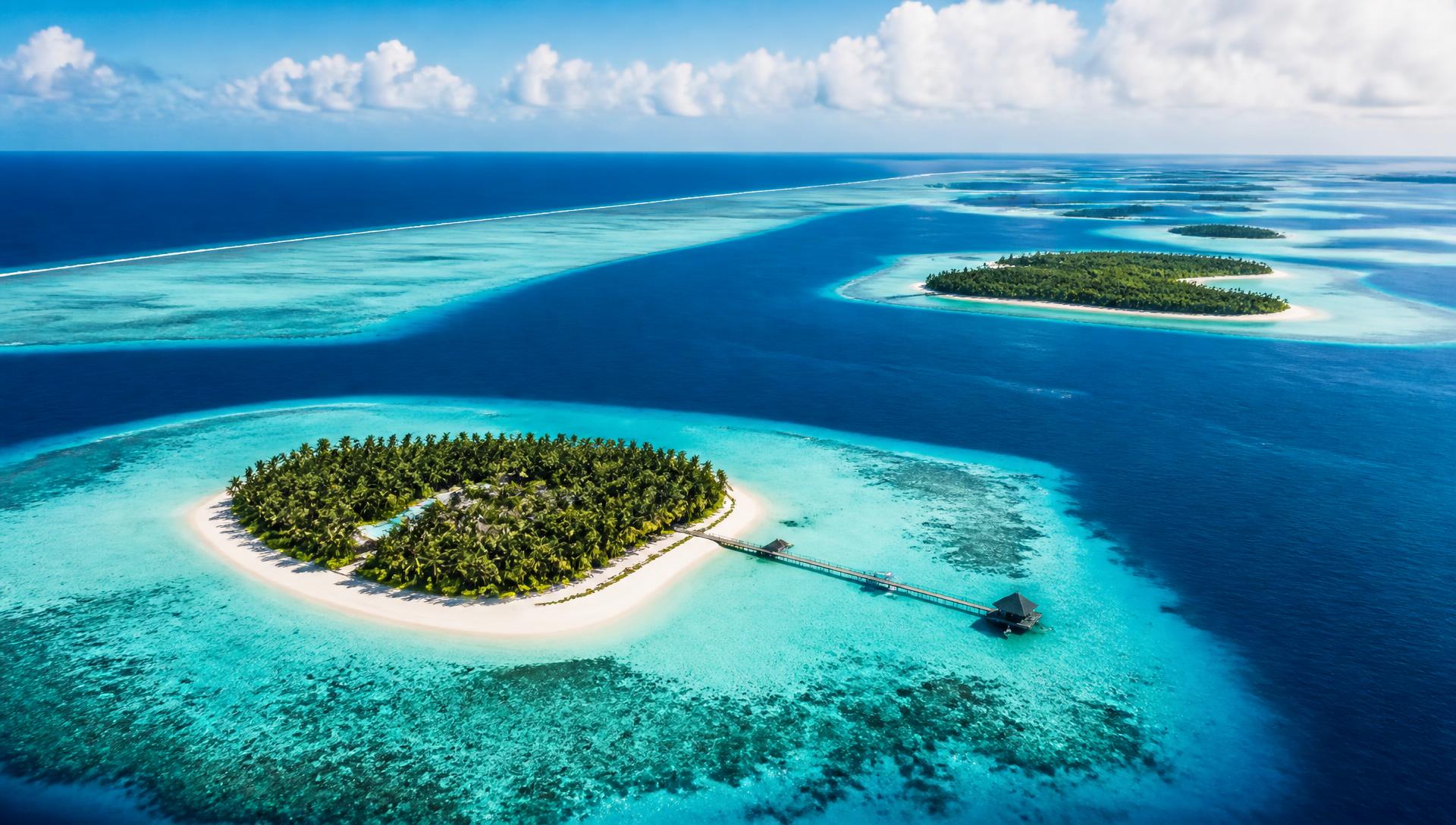
From Malé and Rasdhoo to the reefs of Ari and the channels of Vaavu, our central-atolls journey follows the variety that makes Maldives diving so special.
The map shows our planned route and some of its standout sites. We move our dive sites with the seasons and the gathering places that are active that week, so the route is always shaped around the best of the conditions.
View our schedule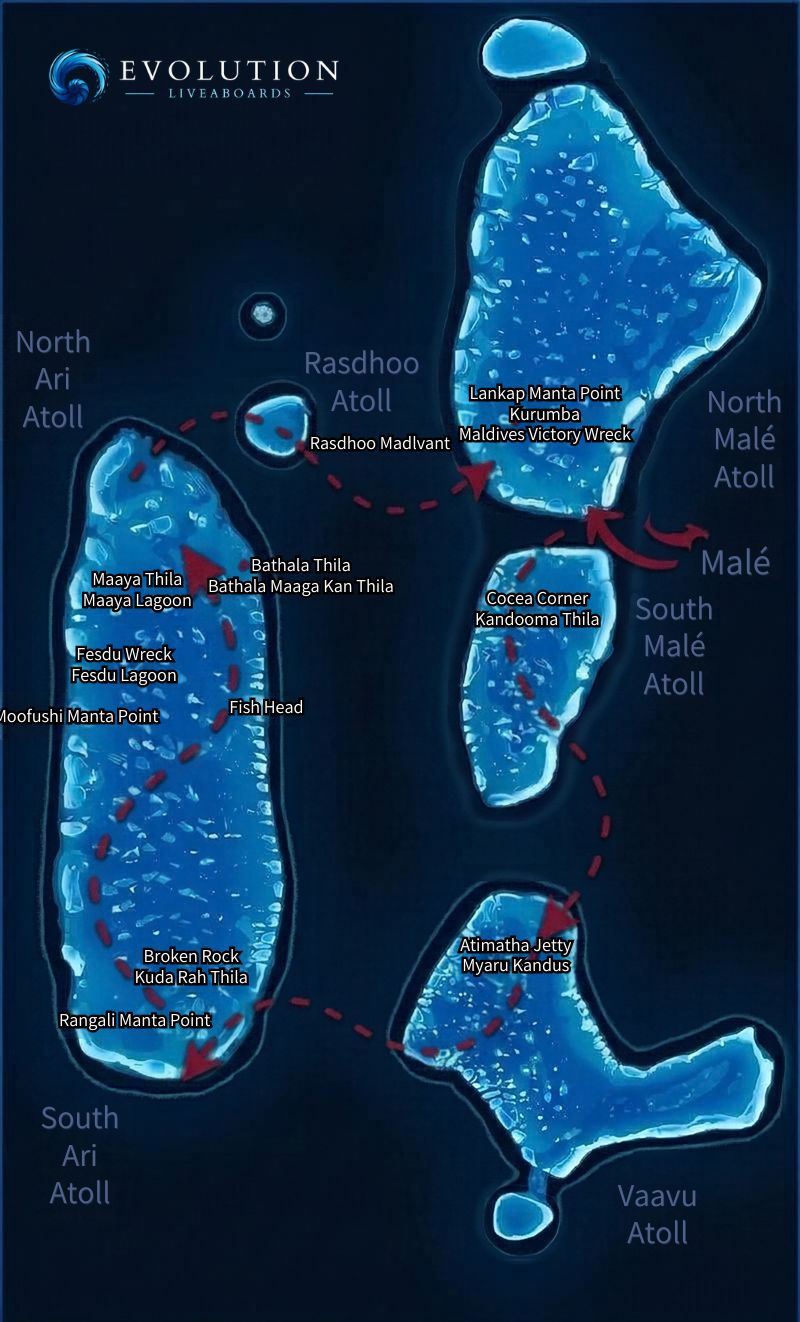
Where the journey begins
Close to Malé, the ocean opens into channels, reef walls and coral gardens. North and South Malé offer a varied introduction to the central atolls, while Rasdhoo brings dramatic reef edges and grey reef sharks moving through the blue.
- Lankan Manta Point
- A manta cleaning station in North Malé, where mantas gather seasonally and patience brings you close.
- Kandooma Thila
- A South Malé pinnacle known for currents, schooling fish and reef sharks on the move.
- Rasdhoo Madivaru
- A reef edge and channel with schooling fish, eagle rays and grey reef sharks.
Life around the thilas
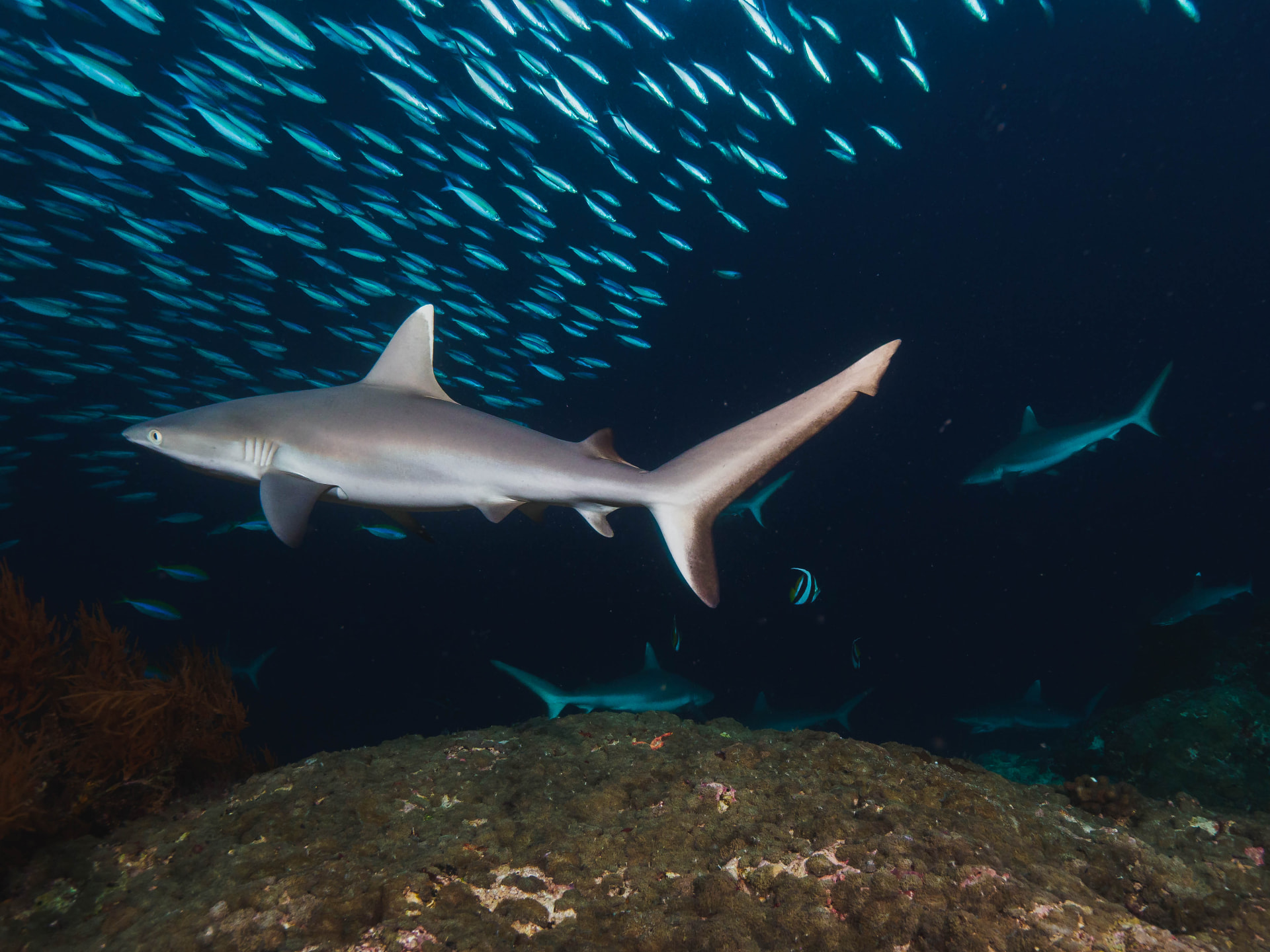
A thila is an underwater pinnacle — and North Ari is home to some of the Maldives’ most memorable. Currents bring life to these submerged reefs, from clouds of small fish to sharks patrolling just beyond the coral.
- Maaya Thila
- A compact pinnacle with overhangs, reef fish and whitetip reef sharks; also a well-known night-dive site.
- Fish Head
- A celebrated thila where grey reef sharks work the current beneath clouds of fish.
- Bathala Maaga Kan Thila
- A current-swept reef with schooling fish and sharks riding the blue.
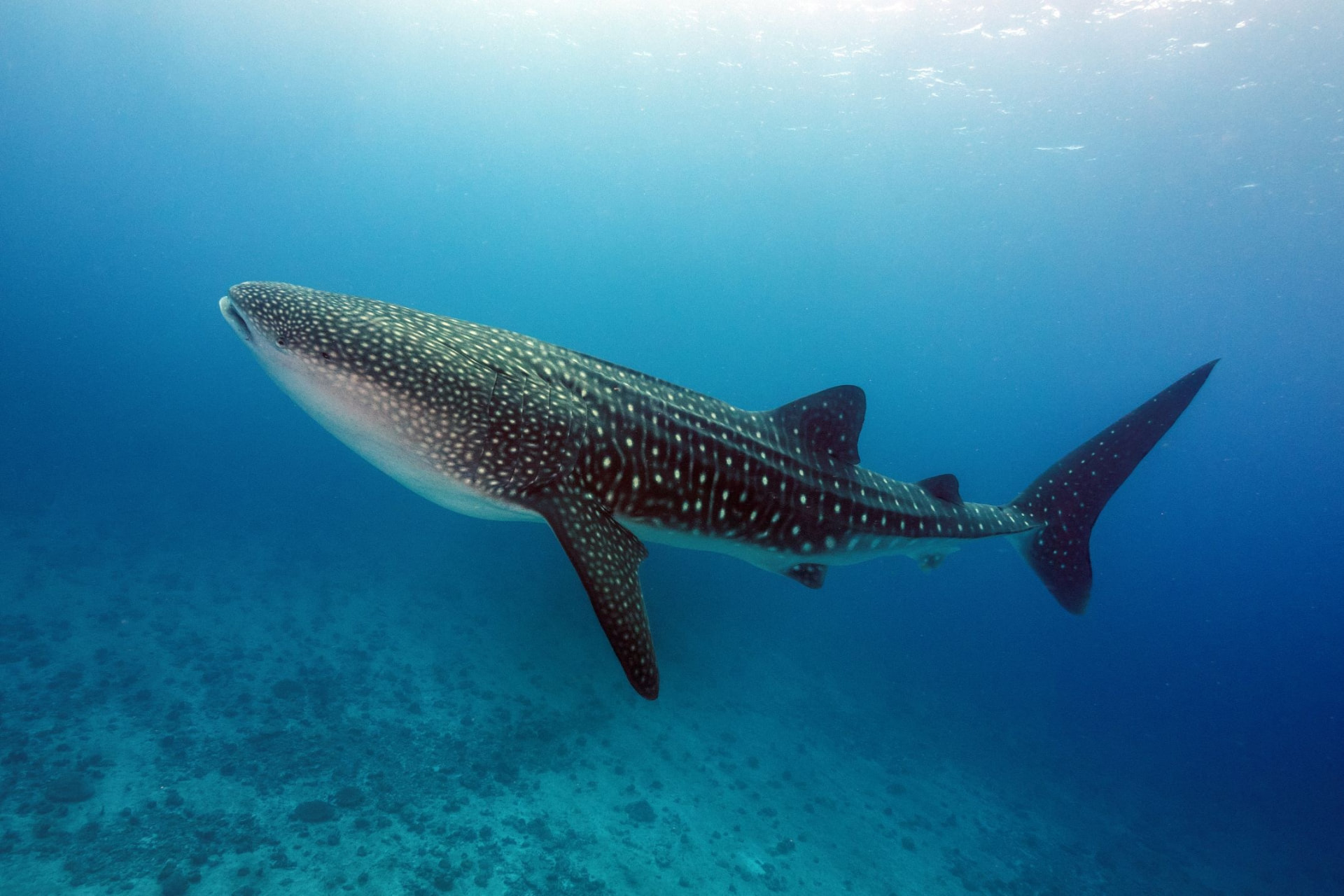
Where whale sharks cruise
South Ari is the atoll where whale sharks cruise. Along its southern outer reef they are present all year, moving between feeding areas as the seasons turn — so we plan the week around the stretch of water they are working. Elsewhere, channels and pinnacles offer an entirely different perspective.
- Broken Rock
- A distinctive pinnacle split by a deep canyon, with soft corals and plenty of reef life.
- Kuda Rah Thila
- Overhangs, colourful corals and dense schools of fish on a small but richly rewarding reef.
- Rangali Manta Point
- A cleaning station in South Ari where manta rays gather with the season.
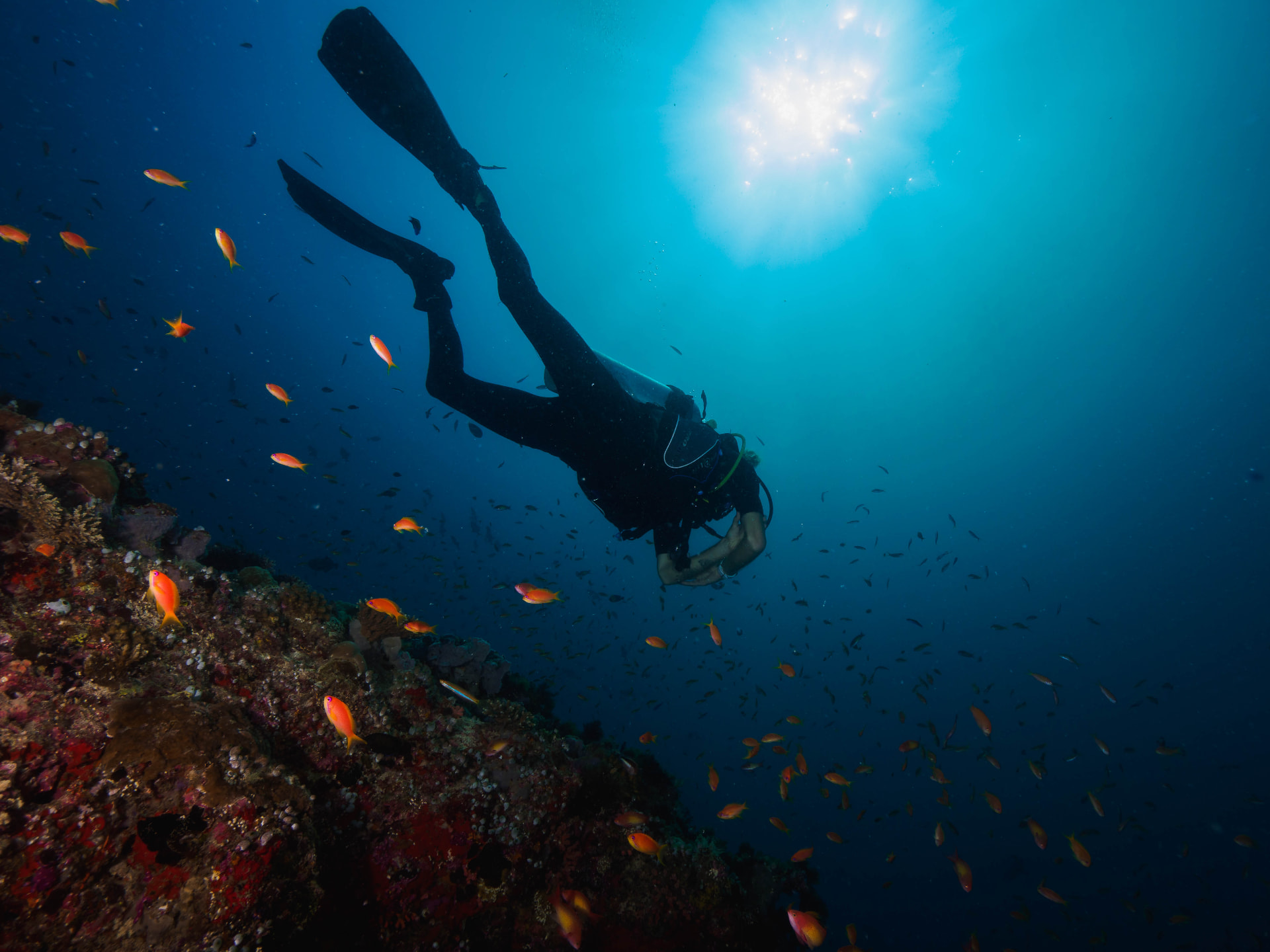
Follow the channels
Vaavu offers a wilder feeling: open channels, flowing water and sharks riding the current beyond the reef edge. Dive plans follow the tides and currents, with our guides choosing the right moment to enjoy these sites safely.
- Miyaru Kandu
- A channel dive known for grey reef sharks and schooling fish, especially with favourable incoming currents.
- Alimatha
- An area well known for nurse sharks resting along the sand on evening dives.
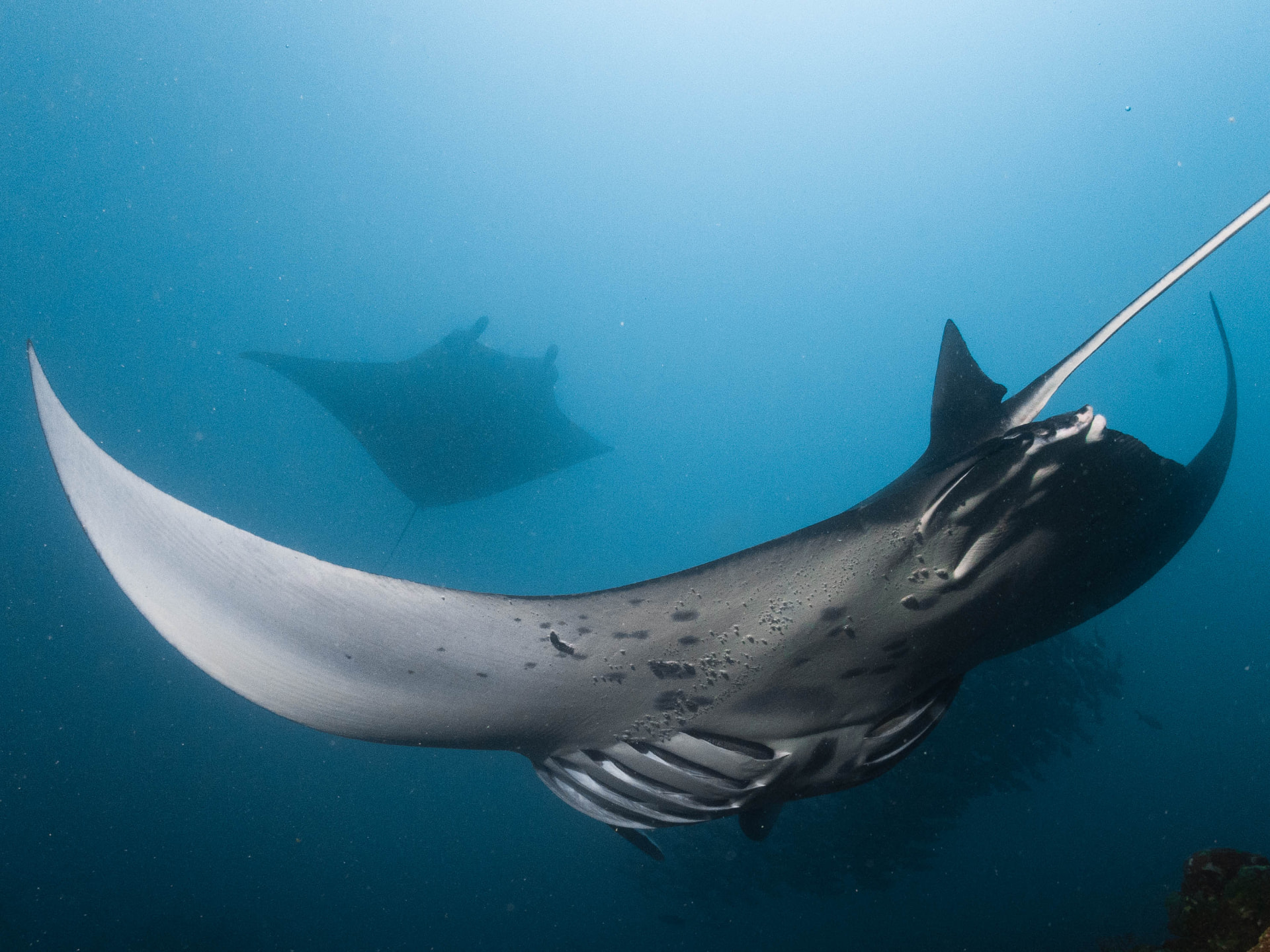
Two wings,
one slow glide.
Reef manta rays are the Maldives at its most graceful — wingspans approaching four metres, a slow deliberate beat, and a habit of arriving quietly. Often you only notice one once it is already above you.
They are protected in Maldivian waters and they are here. What changes is where: mantas move between cleaning stations and feeding areas as the seasons turn, so we plan each week around the gathering places that are active when you are with us.
- Lankan Manta Point
- A cleaning station in North Malé where mantas most often gather from May to November.
- Rangali Manta Point
- A cleaning station in South Ari where mantas most often gather from December to April.
All year round.
Never quite the same.
There is no single season for diving the Maldives. Warm water and remarkable marine life make the central atolls a year-round destination; the monsoons simply change the character of the diving.
December – April
The northeast monsoon generally brings drier weather and clearer water, particularly on eastern reef edges. Currents can be lively, creating rewarding channel dives.
May – November
The southwest monsoon brings more changeable weather and plankton-rich water. Visibility varies, and those nutrients draw manta rays to their seasonal feeding and cleaning areas.
This is a wild ocean, so a particular encounter on a particular day is never arranged — the gathering places are known, and the season tells us where to look.
Same extraordinary reefs.
A quieter way to meet them.
Most Maldives liveaboards follow a weekend departure rhythm. We leave on Wednesdays, moving through the atolls on a different schedule and giving us a better chance of reaching favourite sites away from the busiest times.
With fewer divers and fewer bubbles, a familiar reef can feel entirely different. There is more space to settle in, watch a cleaning station, and notice the small moments that disappear when you are simply following a crowd. Marine life may be less disturbed, and encounters can feel more natural.
It is not a promise of an empty ocean. It is a thoughtful shift in timing — one that can make the whole week feel more personal.
No hidden fees · Secure online payments